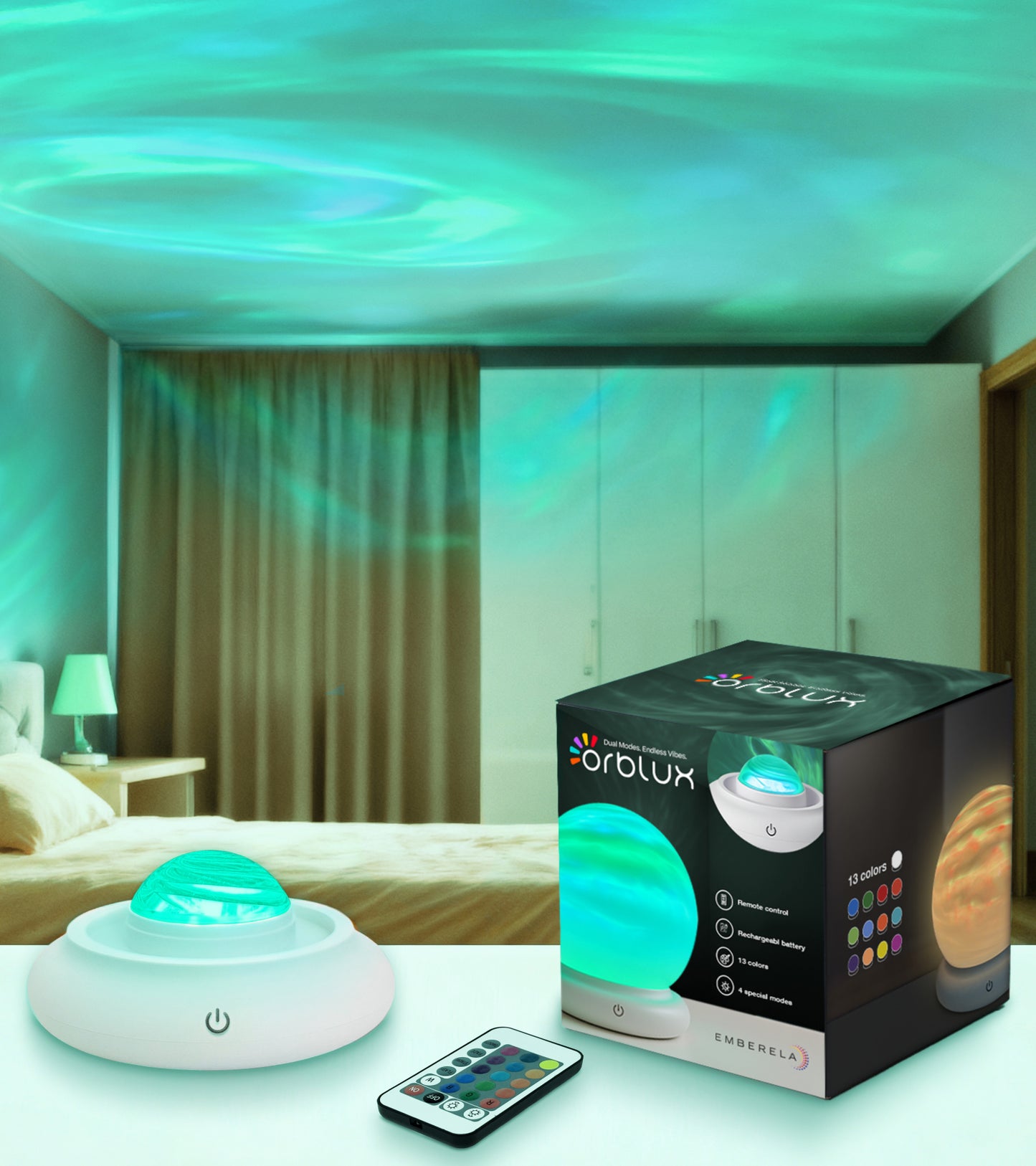

Ambient lighting supports emotional connection by lowering stress, increasing comfort, and activating neurotransmitters linked to trust and intimacy.
Warm, dim, and adjustable lighting helps people feel safer, more relaxed, and more open; making it a powerful tool for romantic and emotionally connected spaces.
Introduction
Connection doesn’t start with words. It starts with how safe, relaxed, and present your body feels.
Lighting plays a bigger role in connection than most people realize. The wrong light keeps the nervous system alert and guarded. The right ambient light signals safety, softness, and emotional availability.
That’s why romantic lighting ideas aren’t just about aesthetics; they’re about neurobiology.
In this guide, we break down:
- what ambient lighting actually is
- how light affects emotional connection and intimacy
- which lighting choices support closeness (and which quietly block it)
- how sensory lighting can help people feel more open, grounded, and connected
All backed by science. All designed for real homes.
What Is Ambient Lighting?
Ambient lighting is soft, indirect light that fills a space evenly without glare or harsh shadows.
Its purpose isn’t visibility; it’s emotional tone.
Unlike task lighting or overhead fixtures, ambient light:
- reduces visual contrast
- softens facial features
- lowers sensory alertness
- creates a sense of enclosure and safety
This makes it the foundation of connection-focused spaces.
Why Does Ambient Lighting Affect Emotional Connection?
Ambient lighting influences the autonomic nervous system.
Soft, warm, and dim light:
- reduces cortisol (stress hormone)
- supports parasympathetic activation (rest-and-connect state)
- increases perceived warmth and trust
When the nervous system feels safe, people become:
- more emotionally open
- more present
- more receptive to connection
This applies to romantic settings, close friendships, and even self-connection.
Read more: Sensory Rooms 2026
The Neuroscience of Intimacy and Light
Intimacy requires:
- lowered vigilance
- reduced sensory threat
- emotional regulation
Bright or cool lighting keeps the brain in problem-solving mode.
Ambient lighting gently shifts the brain into relational mode.
Studies in environmental psychology show that low, warm lighting:
- increases feelings of closeness
- improves perceived emotional warmth
- encourages longer, more meaningful interactions
Lighting doesn’t create intimacy; but it removes the barriers to it.
What Is Intimacy Lighting?
Intimacy lighting refers to lighting designed to support:
- emotional closeness
- comfort
- vulnerability
- physical and psychological presence
Key features include:
- warm color temperature
- low brightness
- diffused glow
- indirect placement
It’s not about darkness; it’s about softness and control.
More information: Warm Light vs Cool Light
Romantic Lighting Ideas That Are Backed by Science
1. Warm Color Temperatures (1800K–2700K)
Warm light mimics firelight and sunset; signals of safety in human evolution.
Effects:
- calms the nervous system
- softens visual input
- increases comfort

2. Indirect Light Sources
Lights that bounce off walls or surfaces reduce harsh contrast.
Why it matters:
- faces look softer
- eye strain decreases
- the environment feels more enveloping
Indirect light supports emotional ease.
3. Layered Ambient Lighting
Using multiple low-level light sources instead of one bright one creates depth and intimacy.
Layering helps:
- avoid sensory overload
- create visual rhythm
- support longer, more relaxed interactions
4. Interactive or Adjustable Lighting
Control increases comfort.
Lighting that responds to touch or subtle adjustments:
- gives users agency
- reduces subconscious tension
- supports emotional regulation
Connection deepens when people feel in control of their environment.
Does Red Light Increase Intimacy?
Red light can feel grounding and emotionally warm when used subtly.
However:
- intense red can feel stimulating or overwhelming
- softer amber or pink tones are often more regulating
The most effective approach is adjustable warmth, not fixed color extremes.
Sensory Lighting and Emotional Safety
Sensory lighting isn’t just visual; it’s felt.
When lighting is:
- predictable
- gentle
- responsive
the body relaxes faster.
This is especially important for:
- people sensitive to overstimulation
- neurodivergent individuals
- those who struggle to unwind emotionally
Emotional safety is the foundation of connection.
Related products:
Common Myths About Romantic Lighting
Myth 1: Brighter Means Better
Too much brightness increases alertness, not closeness.
Myth 2: One Color Sets the Mood
Static lighting lacks adaptability. Mood changes—lighting should too.
Myth 3: Romantic Lighting Is Only for Couples
Connection includes self-connection, rest, and emotional regulation; not just romance.
How Emberela Approaches Ambient Lighting (Authority Positioning)
At Emberela, lighting is designed as a sensory experience, not a background object.
HEXlights Lamps support connection by offering:
- warm, diffused glow
- adjustable brightness and tone
- tactile interaction
- visual softness without dullness
They help transform a room into a space where people can slow down, feel safe, and connect; with others or with themselves.
Read more: experiential gifts
Can Lighting Improve Emotional Closeness at Home?
Yes. When lighting reduces sensory stress and increases comfort, people naturally become more open and present.
Connection thrives in environments that feel:
- calm
- responsive
- emotionally supportive
Lighting is one of the simplest ways to create that shift.
When Personalized Lighting Advice Matters
Emotional needs aren’t one-size-fits-all.
Personalized guidance can help if:
- you want to design a romantic or connection-focused space
- your home feels emotionally flat or overstimulating
- you want lighting that supports closeness, not just aesthetics
That’s why Emberela offers direct consultation.
Contact Us to get personalized lighting guidance for your space and goals.