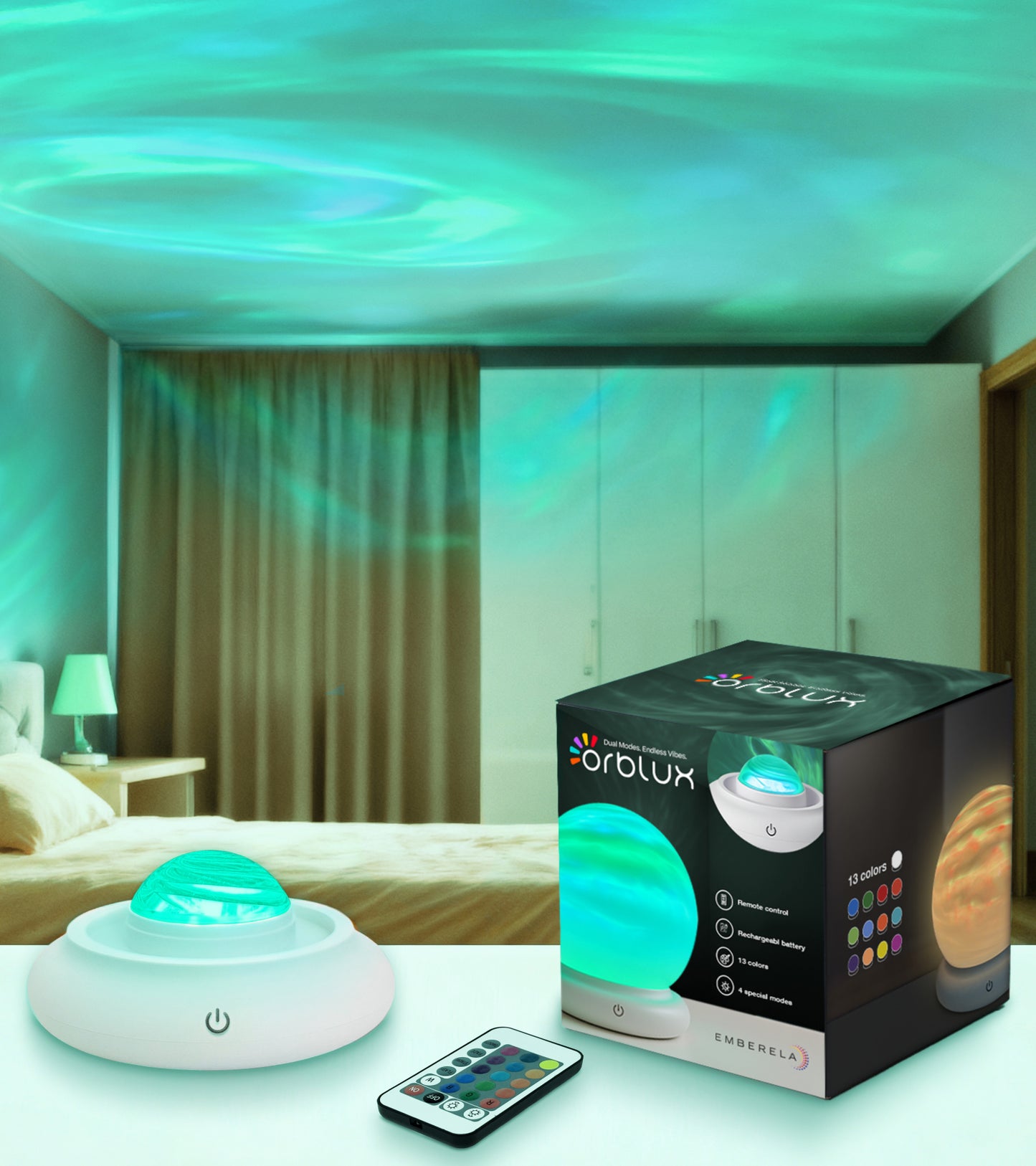

Warm light (2700–3000K) creates a cozy, calming glow ideal for relaxing, unwinding, and nighttime environments. Cool light (4000–6500K) is brighter and more energizing, making it better for focus-intensive tasks like studying or working. Your best choice depends on your mood goals: warm light for calm, cool light for clarity.
Introduction
If you’ve ever walked into a room and instantly felt cozy—or weirdly alert—you’ve already experienced how lighting temperature affects your brain. The warm vs cool light debate isn’t just about aesthetics; it’s about how your environment shapes your mood, focus, and energy.
Whether you're building a gaming setup, upgrading your dorm, or designing a cozy sensory-friendly corner, choosing between warm and cool lighting can completely change the vibe.
With millions of Google searches asking things like “Which is better: warm or cool light?” and “Does cool light affect mood?”, this guide breaks down the science, the design principles, and the real-world use cases; Emberela style.
Because your room isn’t just where you exist. It’s your mood-setter, energy-booster, and sensory sanctuary.
What’s the Real Difference Between Warm Light and Cool Light?
Warm Light (2700–3000K): The Calm Glow
Warm light mimics sunrise and sunset tones; soft, golden, and comforting.
How Warm Light Affects You
Research in circadian neuroscience shows warm tones:
- Reduce stress and help regulate your nervous system
- Support melatonin production, making evenings feel natural
- Create emotional warmth and relaxation
- Reduce overstimulation; great for sensory-sensitive users
Warm light feels like a soft hug for your brain.
Cool Light (4000–6500K): The Energy Boost
Cool lighting resembles daylight; bright, crisp, and mentally activating.
How Cool Light Affects You
Studies show cool white light:
- Increases alertness, focus, and reaction time
- Boosts productivity and task accuracy
- Mimics daytime brightness, helping you stay energized
- Enhances visibility for reading, work, and detail-heavy tasks
Cool light is your “let’s get things done” mode.
Read more: Galaxy vs RGB
Warm Light vs Cool Light: Which One Should You Use?
Use Warm Light When You Want To…
- Relax after school, work, or gaming
- Reduce anxiety and sensory overload
- Create a cozy aesthetic (think TikTok room glow-ups)
- Wind down before sleep
- Ground yourself emotionally in a calming environment
Warm lighting matches Emberela’s core sensory philosophy: spaces should feel as good as they look.

Use Cool Light When You Want To…
- Study for long sessions
- Stay alert during work
- Improve focus while gaming
- Get energized in the morning
- Brighten darker areas or small rooms
Cool light = clarity, crispness, and “desk-setup energy.”
How Lighting Temperature Affects Mood, Focus & Energy
Mood
- Warm light: Comfort, emotional relaxation, softer mood
- Cool light: Mental sharpness, clean aesthetic, increased alertness
Focus
Cool light consistently outperforms warm light for productivity. That’s why offices and classrooms use it; but with Emberela, you can bring that same focus into your aesthetic space.
Energy
Your circadian rhythm responds strongly to temperature:
- Warm light tells your body it's time to slow down
- Cool light signals daytime energy and wakefulness
Lighting literally communicates with your brain.
Read more: RGB vs Warm White
Common Misconceptions About Warm vs Cool Lighting
“Warm light is too dim.”
Warm light can be bright; temperature and brightness are different.
“Cool light is harsh and unflattering.”
Only when overused. Layered cool light can be beautiful and modern, especially in clean gaming setups.
“You should choose one and stick with it.”
Not true. Most people need both throughout the day.
“Cool light is bad for your eyes.”
Not inherently; it depends on brightness, exposure time, and screen use.
Best Practices: How to Choose the Right Light for Each Room
Bedroom
Warm light wins. Your brain needs gentler tones to transition into rest mode.
Office or Study Space
Cool light or neutral white (3500–4500K). Boosts productivity without feeling clinical.
Gaming Setup
Cool or RGB cool tones for focus; warm for breaks and decompression. Balance is key; your lighting should respond to your sensory needs.
Living Room / Aesthetic Corners
Warm light creates ambiance; cool accents can highlight décor.
How Emberela Fits Into the Warm vs Cool Equation
Emberela isn’t just about brightness; it’s about feeling.
From interactive HEXlights to ambient lamps, Emberela’s products are designed to:
- Regulate your mood (calm or energize)
- Support neurodivergent sensory needs (touch-responsive = grounding)
- Offer warm + cool options for total control
- Make your room look like your vibe, not a generic catalog
Your environment should touch you back, not overwhelm you.
Read more: Aesthetic Room Lighting Ideas
Myths to Avoid When Choosing Warm or Cool Light
- Using only cool light at night: disrupts sleep
- Using only warm light for homework: reduces focus
- Ignoring color temperature when buying LEDs: leads to mismatched aesthetics
- Assuming lighting is just visual: it’s deeply sensory and neurological
Conclusion: Warm vs Cool Light; Which Should You Choose?
There’s no universal “best”; only the glow that matches your vibe.
- Choose warm light when you want to decompress, feel grounded, or cozy up your space.
- Choose cool light when you need clarity, focus, and optimized productivity.
- Use both if your mood shifts throughout the day; which, let’s be honest, it does.
Lighting isn’t a background detail. It’s the main character of your room’s energy.
With Emberela, you’re not just choosing a color temperature. You're choosing how you want to feel.