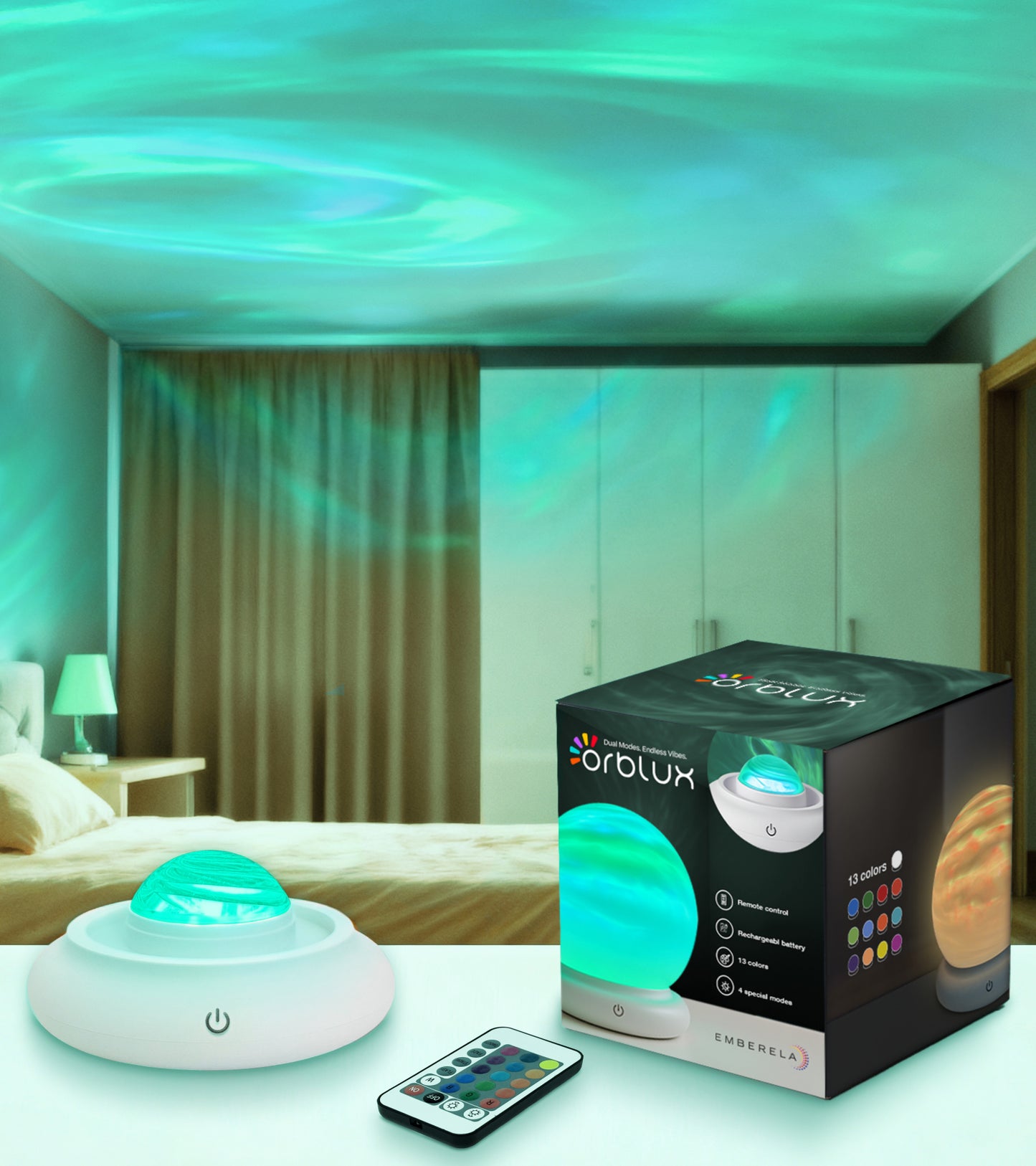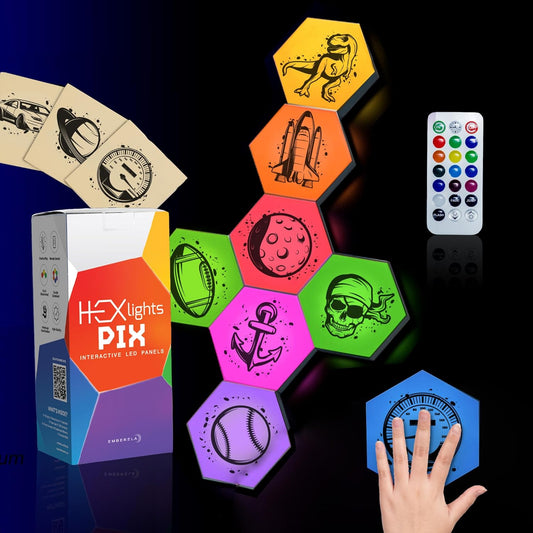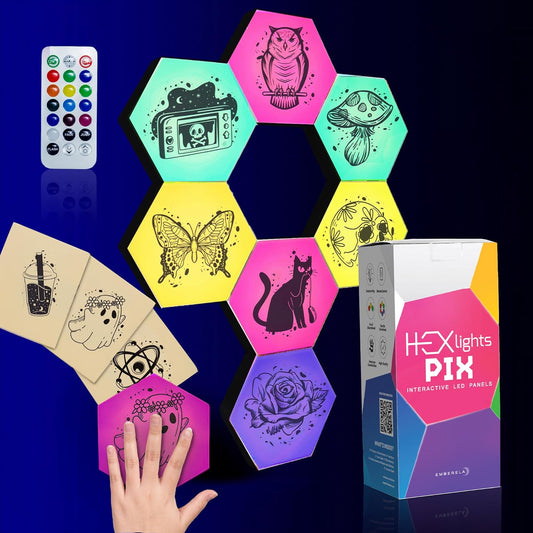

A 2026 sensory room uses smart, adjustable lighting to help regulate your nervous system. Warm dim lights support calm, soft color gradients boost focus, and tactile or interactive lights help ADHD brains stay grounded.
For adults, sensory lights create an instant shift in mood, reducing overwhelm and enhancing concentration.
Introduction
In 2026, sensory rooms aren’t just for kids or therapy centers; they’re becoming core wellness spaces for adults, especially those who deal with ADHD, anxiety, overstimulation, or chronic stress. And at the center of every effective sensory room?
Lighting. Smart, interactive, mood-responsive lighting.
Because the truth is simple:
Your brain doesn’t just “see” light; it feels it.
Harsh overhead brightness can spike anxiety.
Soft gradients and tactile lighting can instantly calm your nervous system.
And in a world that feels too loud, too fast, and too much, your room should regulate you, not overwhelm you.
This guide breaks down exactly how to build a 2026-ready sensory room using calming lighting; backed by neuroscience, designed with aesthetics, and aligned with how real people use sensory spaces today.
What Is a Sensory Room in 2026?
A 2026 sensory room is a personal regulation zone; a space intentionally designed to help you feel:
- grounded
- focused
- calm
- energized (when needed)
- safe from sensory overload
Unlike traditional “decor-only” rooms, a sensory room reacts to you:
your mood, your energy, your ADHD needs, your stress level.
Key Elements
- adjustable ambient lighting
- tactile or touch-responsive lights
- sound control
- textures that reduce anxiety
- color zones that guide your mood
This is where smart lighting becomes the main character.
Why Smart Lighting Is the Heart of a Sensory Room
Lighting affects your nervous system, hormones, sleep cycle, and focus.
2026 research continues to show:
Warm dim light = calm, serotonin-heavy regulation
Great for anxiety, nighttime wind-downs, or decompressing after overstimulation.
Cool, soft white = clarity + attention
Supports ADHD brains during study/work.
Color gradients (blue, purple, aqua) = grounding
These colors reduce sensory overwhelm.
Interactive tactile lights = fidget-friendly regulation
Touch-activated panels (like Emberela’s HEXlights) give restless hands somewhere to land; without overstimulation.
This isn’t “lighting as decor.”
This is lighting as sensory therapy disguised as a glow-up.
Sensory Room Ideas for 2026 (Beginner to Advanced)
1. The Calm Corner (Warm + Dim)
Ideal for:
- anxiety
- nighttime routines
- decompressing after social overwhelm
Best features:
- warm-white glow (1800–2700K)
- soft backlighting behind furniture
- tactile lamps for grounding
Pro tip: Place lights low and close to you; the lower the source, the calmer your brain feels.
2. The ADHD Focus Zone
For adults who struggle with task-switching or concentration, lighting can make or break productivity.
Use:
- gradient lights (cool → neutral)
- subtle movement or “flow” modes
- touch-to-refocus panels
- no harsh overheads
Why it works: Predictable, soft brightness keeps the brain alert without overstimulation.
3. Color Therapy Walls
A slow-shifting hue gradient visually regulates your breathing and heartbeat.
Good for:
- grounding
- meditation
- emotional reset
Best colors:
- aqua (soothing)
- lavender (stress-reducing)
- soft pink (comforting)
A 2026 trend: “micro-zoning”; different wall colors for different moods.

4. Tactile Light Installations (The Emberela Sweet Spot)
Interactive lighting is growing fast because adults are finally acknowledging they need fidget outlets too.
Benefits:
- gives restless energy somewhere safe to go
- keeps ADHD brains from drifting
- feels satisfying + aesthetic
- encourages self-regulation through touch
Touch panels let you tap to change color, which creates a grounding loop between body + environment.
Read more: TikTok LED Room Glow
5. The Cozy Sensory Cocoon
Layer:
- soft LEDs behind headboard
- pastel color wash
- warm glow under shelves
- textured pillows with gentle resistance
This is the room that says: “You’re home. Exhale.”
Best Sensory Lights for Adults (2026 Edition)
1. Smart Ambient Strips
Use for:
- glowing edges
- calm gradients
- wall/ceiling color washes
Choose versions that support:
- warm to cool temperature
- low brightness levels
- smooth transitions (not flickery)
2. Interactive Touch Lights
Great for ADHD, fidgeters, and sensory seekers.
Look for:
- physical touch response
- modular panels
- quiet switches
- customizable color zones
These provide sensory regulation disguised as aesthetic decor.
3. Warm Lamp Pods
Use in:
- relaxation corners
- reading nooks
- grounding spaces
The goal is softness, not brightness.
4. Diffused Wall Panels
Create an “immersive bubble” with large, soft surfaces of color.
Great for:
- meditation
- emotional regulation
- safe spaces
ADHD Room Setup Tips (Based on Real Search Intent)
1. Reduce Visual Chaos
ADHD brains crave clarity.
Use soft gradients instead of mixed bright colors.
2. Give Your Hands a Job
Interactive lights = built-in sensory regulation.
3: Keep Overhead Lights Off
Overheads = glare = instant irritation.
Use layered lights instead.
4. Use Predictable Color Modes
Avoid fast flashes or abrupt transitions.
5: Put Lights Where Your Eyes Naturally Land
Around your monitor
Behind your bed
Along door frames
Under shelves
Predictability = focus.
Read more: Galaxy vs RGB
Calming Lighting Techniques Backed by Neuroscience
Warm dim = lower cortisol
Your brain reads it as sunset.
Lavender hues = parasympathetic activation
Supports slow breathing.
Blue-green gradients = reduces heart rate variability
Creates visual rhythm: relaxation.
Red = grounding but stimulating
Best used subtly (not full red rooms).
Soft movement modes = regulate attention
The brain enjoys subtle predictability.
Emberela’s Role in Building Next-Gen Sensory Rooms (Brand Voice + Story Integrated)
You don’t just need lighting.
You need lighting that gets you.
Emberela creates sensory-first, touch-friendly, design-savvy lighting for people who experience the world intensely; whether you're neurodivergent, a gamer, a student, or someone who just needs their room to feel like a regulated version of themselves.
With Emberela, your room becomes:
- calmer
- softer
- more focused
- more you
- more interactive
Because boring rooms don’t build confidence; but the right glow does.