
Experiential gifts create stronger emotional memories than physical items because they activate dopamine, sensory engagement, and personal interaction. Interactive decor and sensory gifts—like responsive lighting—turn everyday moments into experiences, making them more meaningful and memorable over time.
Introduction
Most gifts end up on a shelf. Some end up forgotten.
But a few gifts do something different; they change how a person feels in their space.
That’s the difference between giving stuff and giving an experience.
In recent years, people have shifted toward experiential gifts, sensory gifts, and interactive decor; not because they’re trendy, but because they actually last in the brain. Especially for people who value mood, creativity, and mental wellness.
This guide explains:
- why experiential gifts matter more than objects
- how sensory and interactive gifts trigger dopamine
- what makes a gift emotionally memorable
- and why lighting has become one of the most powerful experience-based gifts
Read more: Sensory Rooms 2026
What Are Experiential Gifts?
Experiential gifts are gifts that create ongoing emotional or sensory engagement, rather than one-time use.
They focus on:
- how something feels
- how it’s interacted with
- how it changes daily life
Unlike traditional gifts, experiential gifts don’t get “used up.”
They become part of someone’s routine, mood, and environment.
Why Do Experiences Feel More Meaningful Than Stuff?
Experiences activate multiple brain systems at once:
- dopamine (motivation and pleasure)
- sensory processing (touch, sight, interaction)
- emotional memory formation
Physical objects that don’t invite interaction often stop triggering dopamine after novelty fades.
Experiences, on the other hand, renew dopamine through engagement.
This is why people remember how a gift made them feel more than what it cost.
The Neuroscience Behind Dopamine Gifts
Dopamine isn’t about “happiness”; it’s about engagement and anticipation.
Dopamine gifts:
- offer control or interaction
- change over time
- respond to the user
- create small moments of novelty
Interactive decor fits this perfectly because it:
- responds to touch
- adapts to mood
- feels personal
- stays relevant
Lighting that changes, responds, or invites play keeps the dopamine loop active.
Read more: Mood Lighting Ideas for Small Spaces

What Are Dopamine Gifts?
Dopamine gifts are items or experiences that:
- spark curiosity
- invite interaction
- support emotional regulation
- feel rewarding to use repeatedly
They’re especially meaningful for:
- creatives
- neurodivergent individuals
- people sensitive to their environment
- anyone who values mood and atmosphere
They’re not loud or flashy; they’re responsive.
Read more: light spring color palette
What Makes a Gift Sensory?
Sensory gifts engage one or more senses in a deliberate, satisfying way.
Key traits include:
- visual softness or movement
- tactile interaction
- predictable feedback
- calming or stimulating effects
Sensory gifts don’t overwhelm; they regulate.
This is why sensory lighting has become a go-to gift for:
- stress relief
- focus
- emotional grounding
- atmosphere building
Are Sensory Gifts Good for Mental Wellness?
Yes. Sensory input directly affects the nervous system.
Well-designed sensory gifts can:
- reduce stress
- support focus
- improve emotional regulation
- create a sense of safety and comfort
Lighting is especially effective because it shapes the environment continuously, not temporarily.
For more information read: Galaxy vs RGB
Interactive Decor vs Traditional Decor
Traditional decor:
- sits still
- looks nice
- doesn’t respond
Interactive decor:
- invites touch
- changes with mood
- feels personal
- becomes part of daily rituals
The difference is participation.
Interactive decor turns a room into an experience instead of a backdrop.
Related products:
Why Is Interactive Decor a Better Gift?
Because it keeps giving.
Interactive decor:
- adapts to different moods
- feels new over time
- creates emotional attachment
- becomes part of someone’s identity and space
It’s not just “something you own”; it’s something you use to feel better.
Why Lighting Is One of the Most Powerful Experiential Gifts
Lighting affects:
- mood
- focus
- energy
- sleep cues
- emotional safety
Unlike other decor, lighting:
- is used daily
- influences the whole room
- supports multiple emotional states
When lighting is interactive or adjustable, it becomes a tool, not an object.
How Emberela Approaches Experiential Gifting
At Emberela, lighting is designed as an experience you live with.
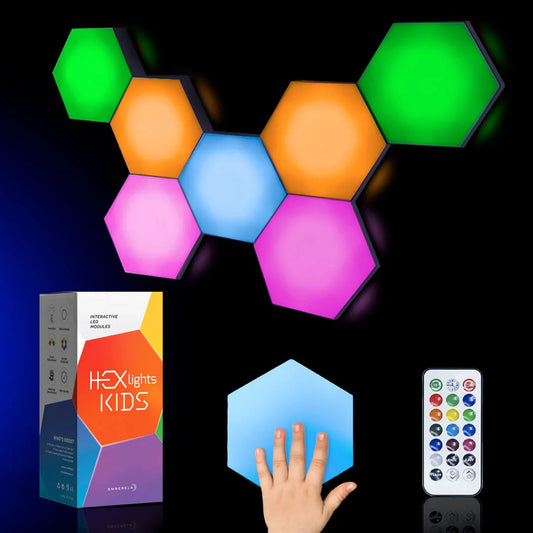
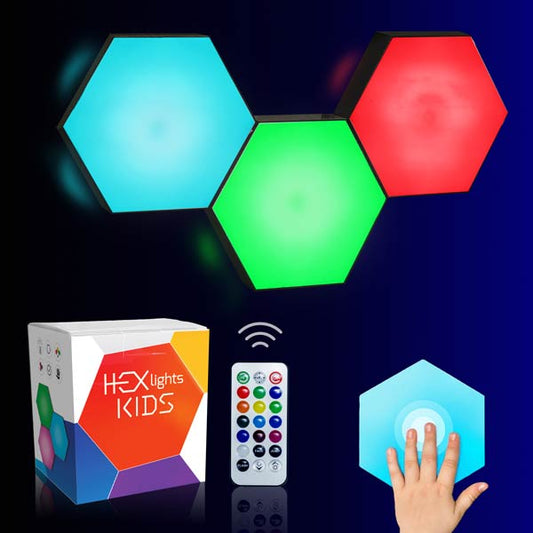
HEXlights Lamps are created to:
- invite interaction
- support dopamine and calm
- respond to touch and mood
- blend aesthetic with sensory regulation
They’re gifts that:
- don’t expire
- don’t get hidden in drawers
- don’t lose relevance
They grow with the person using them.
Are Interactive Lighting Gifts Good for Everyone?
They’re especially impactful for people who:
- care about mood and atmosphere
- feel overstimulated easily
- value personalization
- want their space to feel alive
Because emotional needs differ, personalized guidance matters.
When to Get Personalized Gift Advice
Choosing an experiential gift can feel personal; because it is.
Consultation helps if:
- you’re gifting for mental wellness
- the recipient is neurodivergent
- you want a meaningful, long-lasting gift
- you want the gift to fit a specific space or vibe
That’s why Emberela offers direct consultation for gifting and design.
Contact Us to get personalized recommendations for experiential, sensory gifts.