
Sensory Lighting for a Dorm Room: Calm a Space You Don't Own
Sensory lighting for a bedroom or dorm room uses soft, adjustable light to create a calmer environment without making permanent changes. Modular LED lights, warm color temperatures, and indirect illumination can help reduce visual stress, improve relaxation, and make even temporary living spaces feel more comfortable.
Intro
Moving into a dorm means sharing walls, following housing rules, and trying to feel at home in a room that isn't really yours.
For many students, the biggest challenge isn't the size of the room; it's creating a space that feels calm after long days of classes, studying, social events, and constant stimulation.
Fortunately, sensory lighting can completely change how a room feels without requiring paint, drilling, or permanent installations. This guide explains how to design a calming dorm using flexible lighting that supports relaxation, focus, and everyday wellbeing.
What Is Sensory Lighting?
Sensory lighting is intentional lighting designed to influence comfort, mood, and visual experience rather than simply making a room brighter.
Instead of harsh overhead lights, sensory lighting typically uses:
- indirect illumination
- adjustable brightness
- warm or customizable colors
- layered lighting throughout the room
Research in environmental psychology suggests that lighting influences stress levels, concentration, circadian rhythms, and perceived comfort within indoor spaces.
Does Sensory Lighting Actually Help You Feel Calmer?
Yes; but not because the lights themselves "treat" anxiety.
Lighting affects how the brain interprets a space.
Soft indirect lighting can:
- reduce harsh visual contrast
- create a greater sense of comfort
- encourage relaxation before sleep
- make small rooms feel less overwhelming
Many universities now recommend layered lighting instead of relying exclusively on overhead fluorescent fixtures because it improves visual comfort during studying and evening routines.
Why Is Dorm Room Lighting So Challenging?
Dorm rooms usually include:
- bright ceiling lights
- limited outlets
- small floor plans
- shared spaces
- restrictions on drilling or permanent décor
That makes flexibility more important than brightness. The goal isn't adding more light, it's creating better light.
What Are the Best Dorm Room Lighting Ideas?
Layer Different Light Sources
Instead of one bright fixture, combine:
- desk lighting
- ambient wall lighting
- bedside lighting
This creates visual balance throughout the room.
Use Warm White in the Evening
Color temperature affects how a room feels.
Generally:
- 2700K–3000K promotes relaxation
- 3500K–4000K works well for studying
- cooler light is better reserved for daytime tasks
Switching between lighting modes throughout the day better matches your natural routine.
Keep Light Out of Your Direct Line of Sight
Indirect lighting feels softer because the source isn't shining directly into your eyes.
Wall-mounted modular lighting often provides a more comfortable experience than exposed bulbs.
What Makes a Bedroom Feel More Calming?
A calming room usually shares several characteristics:
- visual simplicity
- warm lighting
- minimal glare
- organized layouts
- consistent color palettes
Lighting is often the quickest change with the biggest impact.
Can You Install Sensory Lighting Without Damaging Dorm Walls?
Yes; many modular LED lighting systems are designed with removable adhesive mounting.
That makes them suitable for:
- dorm rooms
- rental apartments
- temporary housing
Always check your residence hall's housing guidelines before installation.

How Can You Personalize a Dorm Without Breaking the Rules?
Instead of painting walls or installing shelves, personalize the atmosphere.
Ideas include:
- modular wall lighting
- removable wall art
- soft accent lighting
- compact décor
- layered bedside lighting
These updates create a stronger emotional connection to your space while remaining reversible.
Why Interactive Lighting Is Becoming More Popular
Students increasingly want lighting that adapts to different activities instead of remaining static.
That's one reason Touch-Reactive & Interactive Lighting has become more popular. Interactive lighting makes it easier to transition between:
- studying
- gaming
- relaxing
- socializing
- winding down before bed
Instead of changing the room itself, you change how the room feels.
Small Room, Big Difference
Research in environmental design consistently shows that people judge spaces based on atmosphere rather than square footage.
A thoughtfully lit dorm often feels:
- larger
- quieter
- more organized
- more welcoming
That's especially important when your bedroom is also your office, classroom, and living room.
A Dorm Room Should Help You Recharge
Most dorm advice focuses on maximizing storage or fitting more furniture into limited square footage.
But students often underestimate the role lighting plays in daily wellbeing.
After spending hours under bright classroom lighting and surrounded by constant activity, returning to softer, adjustable lighting can help create a clear transition between productivity and rest. The goal isn't to eliminate stimulation; it's to give your brain moments of visual recovery throughout the day.
Creating a Flexible Setup That Grows With You
Good lighting shouldn't only work for one activity.
Choose lighting that adapts whether you're:
- preparing for exams
- reading
- watching movies
- hosting friends
- relaxing before sleep
If you're exploring broader wellness-focused lighting ideas, our Sensory Rooms 2026 guide explains how sensory design is evolving beyond traditional home décor.
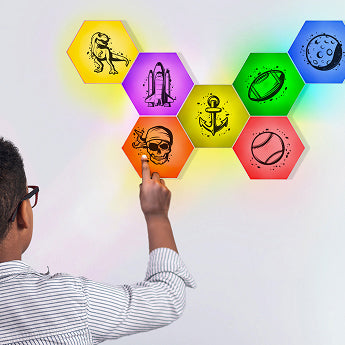
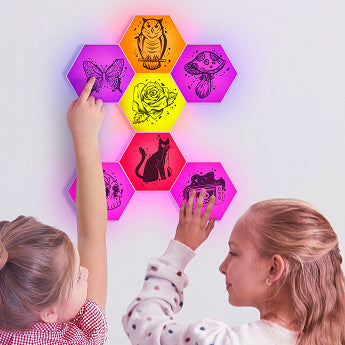
For more playful room personalization, you can also explore HEXlights Touch Pix Boys and HEXlights Touch Pix Girls, which combine modular lighting with customizable pixel-inspired designs.
Need Help Designing Your Dorm Setup?
Every dorm has different rules, layouts, and limitations.
If you're unsure which lighting configuration will work best for your room, Contact Us for personalized recommendations based on your available wall space, room size, and daily routine.