
Smart lighting is becoming the core of sensory rooms in 2026, offering customizable colors, brightness levels, and tactile interaction that help regulate mood, calm the nervous system, and support focus; especially for neurodivergent adults.
With the right sensory lights and room setup, you can create a space that grounds you, boosts concentration, and transforms overstimulation into balance.
Introduction
What if your room could read your energy, and glow back accordingly?
In 2026, sensory rooms aren’t just for therapy centers anymore. They’re showing up in dorms, studios, gaming setups, home offices, and cozy bedrooms because people want one thing: a space that helps them feel grounded, focused, and calm.
And here’s the twist: lighting is now the main character.
Smart, tactile, color-shifting lighting is transforming the way we regulate our senses. That’s exactly what Emberela was built for; interactive lighting designed not just to look good, but to feel good.
This guide walks you through how smart lighting elevates sensory rooms, what ADHD-friendly setups look like in 2026, and the sensory lighting trends shaping how we design for well-being.
What Is a Sensory Room? (And Why They’re Everywhere in 2026)
A sensory room is a carefully designed space that helps regulate your nervous system using light, color, texture, sound, and interactivity.
For adults; especially neurodivergent individuals; it’s a sanctuary where you can:
- Decompress after sensory overload
- Boost focus for studying or working
- Create a predictable, calming environment
- Stimulate creativity through color and motion
- Feel grounded through tactile and visual feedback
It’s self-care, but make it stylish, immersive, and responsive.
Read more: Lighting Ideas for Small Spaces
How Smart Lighting Helps Your Brain Feel Calm & Focused
Why Lighting Has Such a Big Impact on Mood
Light directly influences the brain’s emotional and attentional systems. Color wavelengths, brightness levels, and even the warmth of the glow affect how grounded or energized you feel.
Warm lighting = calm mode
Soft ambers and warm whites lower sensory load and support relaxation.
Cool or vibrant lighting = focus mode
Blues, greens, and purples help with alertness and sustained attention—great for ADHD-friendly workspaces.
Tactile lighting = grounded nervous system
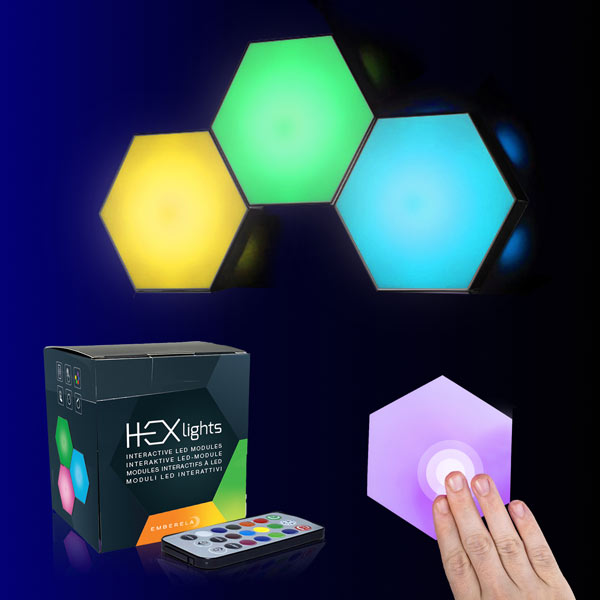
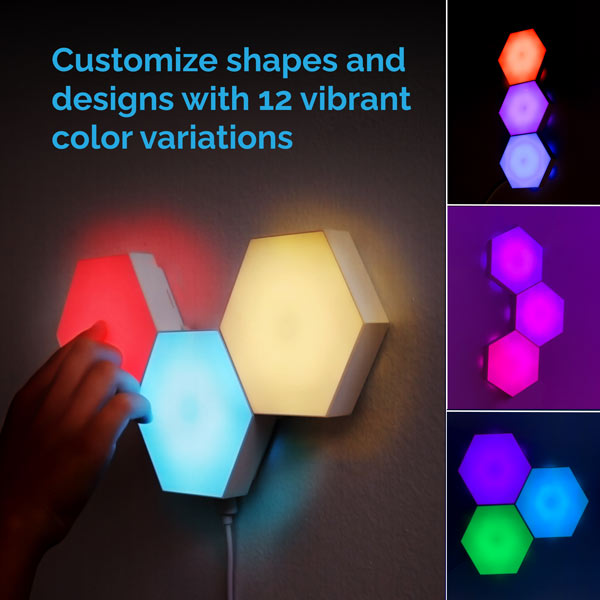
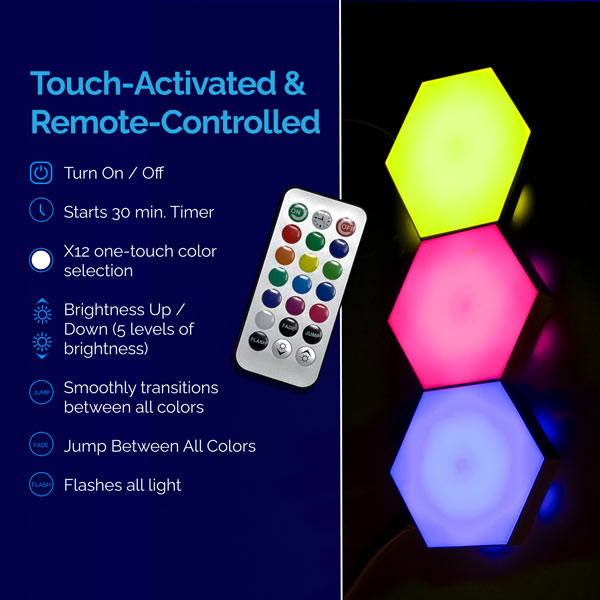
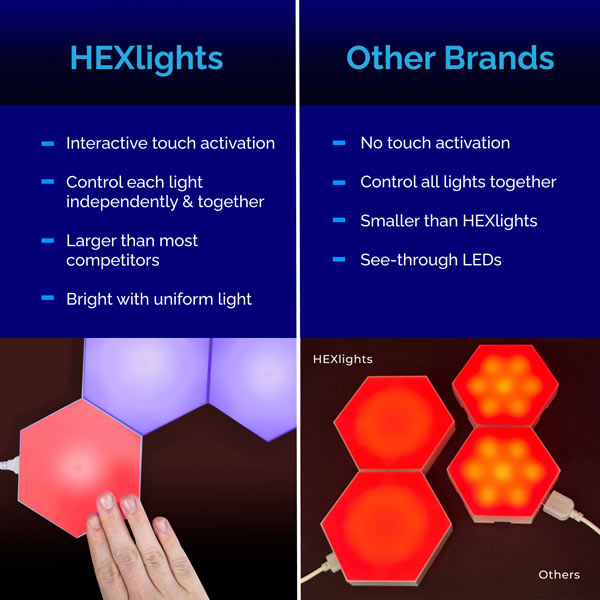
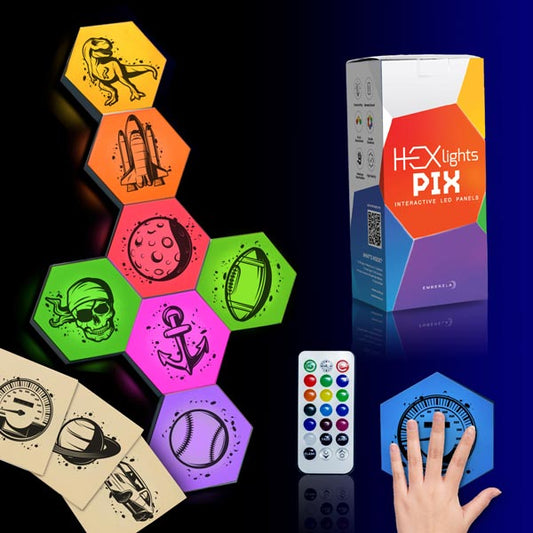
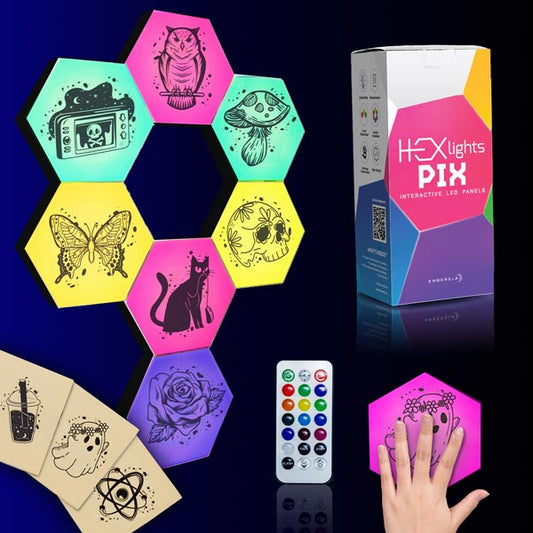
Touch-responsive lighting (like Emberela’s HEX panels) turns fidgeting into regulation; ideal for sensory seekers.
Top Sensory Room Ideas for 2026
1. The “Calm Corner” Setup
A dedicated sensory nook with calming lighting, soft textures, and a predictable glow pattern. Great for grounding after a long day, managing overstimulation, or winding down for sleep.
Essentials
- Warm LED strips
- Dimmable touch lights
- Soft rugs or bean seating
- Weighted throw or textured cushions

2. The ADHD-Friendly Study Zone
This setup blends calming lighting with alertness cues to help the brain stay on track without harsh overhead glare.
Why it works
People with ADHD often struggle with either under-stimulation (restless energy) or over-stimulation (anxiety). Balanced lighting supports both states.
Essentials
- Cool-toned sensory lights for focus
- A tactile, interactive lamp to channel fidgeting
- Minimal but expressive decor
- Color zones for task switching
Related products:
3. The Adult Sensory Sanctuary
Because sensory rooms aren’t just for kids. Adults deserve spaces that feel soothing, intentional, and aesthetically elevated.
Essentials
- Adjustable ambient glow
- Smart bulbs with warm/cool cycles
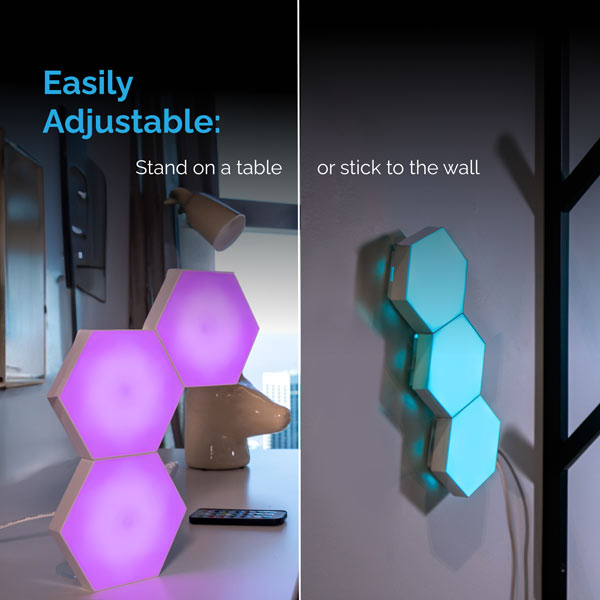
- Wall-mounted tactile panels
- Calm lighting scenes for breathwork
4. The Gamer + Sensory Hybrid Room
Think: immersive color zones + responsive lighting for gameplay + grounding glow for breaks.
Essentials
- Color-matching LED panels
- Bias lighting behind monitors
- Sound-reactive LEDs
- A calm “reset mode” for sensory breaks
The Science Behind Sensory Lights for Adults
Smart lighting is more than an aesthetic upgrade; it interacts with core sensory pathways. Research in environmental psychology and neurodivergent well-being shows that lighting influences:
- Cortisol levels
- Attention span
- Emotional regulation
- Sleep cycles
- Sensory overwhelm
- Mental clarity
Changing the lighting literally changes how your nervous system experiences a room.
And Emberela’s brand story reflects this truth: lighting is a tool for self-regulation, not just decor.
Best Practices for Building a Sensory Room in 2026
Step 1 — Identify Your Sensory Goal
Do you want to feel calmer? More focused? More creative?
Your lighting should match your nervous system’s needs.
Step 2 — Layer Your Lighting
Mix ambient, accent, and tactile lighting for multi-sensory depth.
Step 3 — Choose Colors Intentionally
- Blue/green for focus
- Warm amber for wind-down
- Vibrant hues for creativity
Step 4 — Add Something You Can Touch
Your space shouldn’t just glow. It should respond. Interactive lighting satisfies tactile sensory needs.
Step 5 — Keep It Personal
Your room should look like you. Aesthetic and sensory comfort can coexist; this is Emberela’s core promise.
Common Misconceptions About Sensory Rooms
“Sensory rooms are only for kids.”
Nope. Adults benefit just as much; especially those with ADHD, anxiety, or high-stress lifestyles.
“You need a big room to make one.”
Not true. A sensory corner or desk zone works perfectly.
“Smart lights are complicated.”
In 2026, they’re easier than ever. Tap, swipe, or voice control—your vibe, your rules.
“It’s all about color.”
Texture, interaction, and brightness matter just as much.
Industry Insight: Why Sensory Lighting Is Exploding in 2026
Between skyrocketing ADHD diagnoses, remote work culture, and the rise of TikTok room glow-ups, people want lighting that meets both emotional and aesthetic needs.
Consumers are no longer looking for static décor. They want interactive environments that support mental health. This is exactly where Emberela’s tactile, responsive designs thrive.