
How Light, Color, and Mood Shift Together
Transitioning to spring starts with lighter, warmer colors and balanced lighting. A light spring color palette—paired with soft, adjustable light—supports mood, focus, and a natural sense of renewal without overwhelming the senses.
Introduction
Spring doesn’t just change the weather; it changes how we feel inside our spaces.
As daylight increases, many homes still hold onto winter tones: dim light, heavy colors, and low contrast. This mismatch can leave a space feeling dull or mentally fatiguing, even when the season outside feels fresh.
A spring home refresh isn’t about redecorating everything. It’s about realigning color and light with how the brain responds to seasonal change.
This article explores:
- what a light spring color palette actually is
- how color psychology affects mood and energy
- how lighting amplifies (or cancels out) color impact
- and how to refresh your home gradually, without overstimulation
What Is a Light Spring Color Palette?
A light spring color palette is defined by soft, warm, and clear hues with low visual weight.
Common characteristics include:
- light warmth rather than stark brightness
- gentle contrast instead of bold separation
- colors that feel airy, fresh, and optimistic
These palettes visually echo spring daylight; longer, softer, and more diffused.
Read more: Sensory Rooms 2026
Why Do Colors Feel Different in Spring? (Color Psychology Explained)
Color perception is influenced by:
- natural light levels
- circadian rhythm changes
- seasonal mood shifts
In spring, the brain becomes more responsive to lighter wavelengths and balanced warmth. Heavy or overly dark palettes can feel emotionally mismatched, while excessively bright colors can feel overstimulating.
Color psychology shows that balanced spring tones tend to support:
- mental clarity
- emotional uplift
- gentle motivation
Not excitement; renewal.
How Does Color Psychology Affect Mood at Home?
Colors interact with the nervous system.
For example:
- softer warm tones can support calm alertness
- muted pastels reduce visual stress
- balanced neutrals help the brain reset between tasks
In living spaces, this translates to:
- better focus
- smoother transitions between rest and activity
- a greater sense of comfort
Color doesn’t change mood instantly; but it shapes how long we can stay regulated.
The Role of Lighting in a Spring Home Refresh
Color never exists on its own. Lighting determines how color is experienced.
The same wall color can feel:
- dull under low winter lighting
- harsh under unfiltered brightness
- balanced under soft, directional light
Spring refreshes work best when color and lighting shift together.

For more information read: Best LED Lights for Small Rooms
Why Does My Spring Color Palette Look Different at Night?
Artificial lighting changes color perception.
Common issues include:
- cool light flattening warm tones
- harsh overhead lighting washing out soft colors
- uneven lighting creating visual tension
Without intentional lighting, even the best spring palette can lose its emotional impact after sunset.
Best Practices for Transitioning Your Home Into Spring
1. Lighten the Base Before Adding Color
Before introducing new colors:
- increase ambient light
- soften shadows
- reduce visual heaviness
Lighting sets the foundation for any seasonal shift.
2. Use Color as an Accent, Not a Flood
Spring palettes work best when they:
- support the space
- don’t dominate it
Small shifts; textiles, wall light, glow; are often more effective than bold repainting.
3. Favor Diffused, Indirect Lighting
Indirect lighting:
- protects the eyes
- enhances soft colors
- reduces contrast fatigue
This is especially important in shared or multi-use rooms.
Related product:
Sensory Lighting and Emotional Regulation
Spring energy is subtle; not aggressive.
Overly bright or unbalanced lighting can:
- spike stimulation
- increase restlessness
- reduce the calming effect of spring colors
Sensory lighting is designed to:
- support dopamine balance
- encourage calm focus
- adapt to daily mood changes
Lighting becomes a regulation tool, not just décor.
Can Lighting Improve Mood During Seasonal Transitions?
Yes. Gradual lighting changes help the brain adjust to seasonal shifts.
Adjustable, warm-leaning light:
- supports circadian alignment
- reduces seasonal fatigue
- enhances the emotional effect of lighter palettes
Consistency matters more than intensity.
How Emberela Approaches Spring Color & Light
At Emberela, color and light are treated as sensory systems, not surface trends.
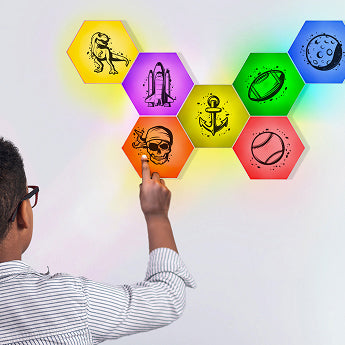
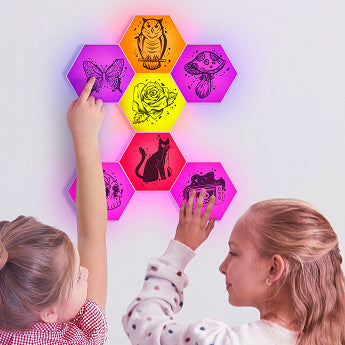
HEXlights Lamps are designed to:
- soften visual environments
- support focus and calm
- enhance color without overpowering it
- adapt across seasons and moods
Rather than forcing a dramatic change, Emberela lighting helps spaces transition naturally the same way spring does.
Read more: ambient lighting
When a Personalized Lighting Refresh Makes Sense
Every home responds differently to seasonal change.
A consultation can help when:
- colors feel “off” despite redecorating
- lighting feels too harsh or too flat
- energy levels don’t match the seaso
- you want refresh without replacing everything
Contact Us for personalized guidance on refreshing your space with color-aware, sensory lighting.