
In the digital age, our environments have become increasingly "flat." We spend hours touching smooth glass screens, depriving our nervous systems of the varied textures they crave. However, the emerging field of sensory design is shifting the focus from how a room looks to how it feels.
What is tactile regulation in sensory design?
Tactile regulation is the process of using touch textures, temperatures, and physical vibrations to manage our nervous system's arousal levels. In interior design, this means moving beyond aesthetics to include "touchable" elements that help the brain process environmental stress.
Why does touch matter for emotional regulation?
Touch is our first sense to develop and remains a primary way we navigate safety. When we engage with varied textures, our skin’s mechanoreceptors send signals to the brain that can lower cortisol (stress hormone) levels and increase oxytocin. This physical feedback loop provides an "anchor" during moments of emotional turbulence.
How do interactive objects calm the nervous system?
Interactive objects like flip-sequin pillows, kinetic sand, or weighted blankets require active engagement. This shifts the brain from a "ruminating" state (worrying) to a "grounding" state. By focusing on the physical sensation of an object, you break the cycle of high-frequency cognitive stress.
Understanding Sensory Regulation
At its core, sensory regulation is about achieving homeostasis. For those experiencing "sensory hunger," a room filled with purely clinical or smooth surfaces can feel isolating. By introducing tactile diversity, you provide your brain with the "data" it needs to feel grounded in its physical space.
Read more: Mood Lighting Ideas for Small Spaces
The Neuroscience of Touch and Calm
When you run your hand over a cool stone surface or a soft, tufted rug, you are activating the parasympathetic nervous system. This is often referred to as the "rest and digest" mode. Neuroscientists have found that tactile stimulation can stimulate the vagus nerve, which is a direct highway to emotional composure.

Can Tactile Decor Reduce Anxiety and Burnout?
Absolutely. For professionals facing burnout, tactile decor acts as a "micro-break" for the brain. Switching from a digital task to a 30-second physical interaction with a textured object can reset focus and reduce the physical symptoms of anxiety, such as a racing heart or shallow breathing.
How Does Sensory Lighting Activate Touch-Based Engagement?
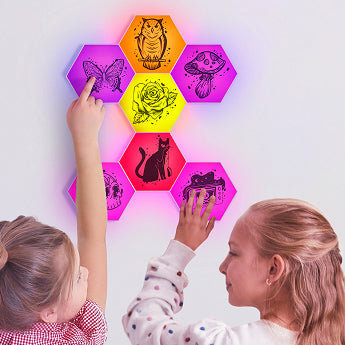
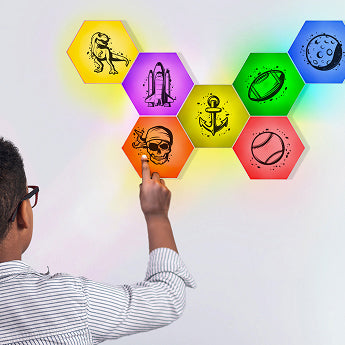
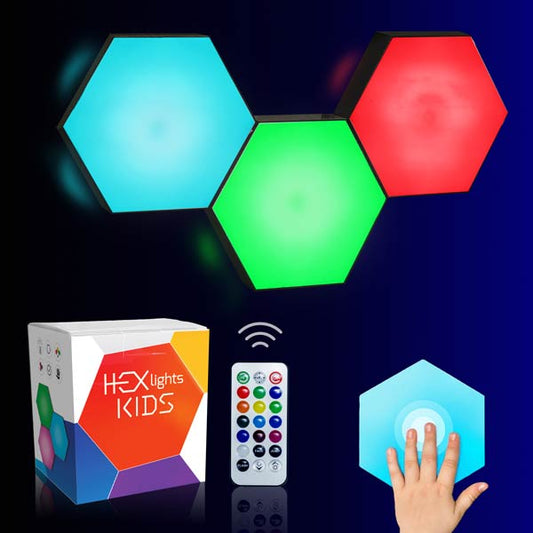
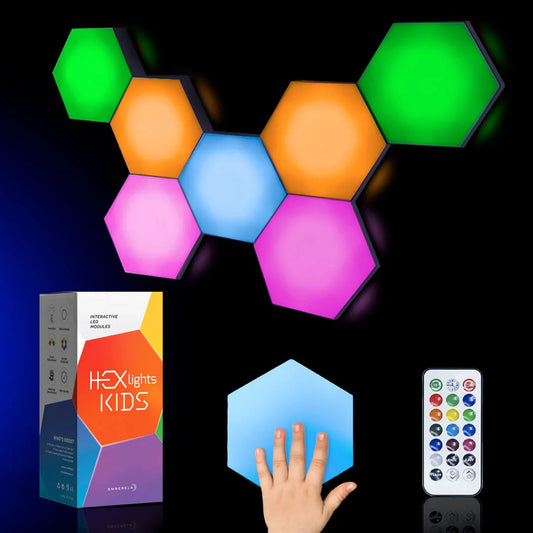
Modern lighting has evolved from a passive utility to a multi-sensory experience. Sensory lighting often incorporates materials that invite touch such as silicone "squishy" lamps or heat-sensitive bases blurring the line between sight and feeling.
Read more: Sensory Rooms 2026: How Smart Lighting Helps You Feel Calm, Focused & Grounded
Why are Mushroom Lamps More Than Visual Decor?
The iconic mushroom lamp has seen a resurgence in TikTok LED Room trends because of its organic, ergonomic shape. Unlike sharp, industrial fixtures, the soft curves of a mushroom lamp invite a "palming" gesture. Many modern versions use materials that diffuse light in a way that mimics natural, dappled sunlight, providing a tactile-visual harmony that calms the eyes and the mind.
From Passive Viewing to Active Interaction
We are moving away from the "museum" style of home decor. Active interaction means choosing pieces that respond to you. Whether it’s a lamp that dims via a touch-sensitive base or a wall hanging made of natural fibers, your home should be a 3D experience that supports your mental health.
Lighting as a Multi-Sensory Experience
Lighting shouldn't just hit the retina; it should influence the atmosphere of the entire body. Using Mood Lighting Ideas for Small Spaces helps create "sensory pockets" where low-blue-light frequencies and warm textures work together to prepare the body for sleep and recovery.
Enhance Your Space
Are you ready to transform your home into a sanctuary of healing touch? Explore our latest collections at Sensory Rooms 2026 to find pieces designed for both the eyes and the soul.
For more information on the clinical benefits of sensory environments, visit the American Occupational Therapy Association.