
Dopamine decor uses color, light, and sensory interaction to stimulate feel-good brain chemicals like dopamine and serotonin. Smart sensory lighting especially adjustable color, warmth, and touch-responsive lights can improve mood, focus, and emotional regulation, particularly in ADHD-friendly homes.

Introduction
Ever notice how some rooms instantly lift your mood—while others drain you for no clear reason?
That’s not aesthetic magic.
That’s dopamine at work.
Your brain constantly responds to color, brightness, warmth, and movement. Dopamine decor is about using those elements intentionally, especially lighting to support focus, calm, creativity, and emotional regulation.
This guide breaks down:
- what dopamine decor actually means
- how light color psychology affects mood
- how sensory lighting supports ADHD-friendly homes
- and how to design spaces that feel good, not just look good
No fluff. No hype. Just science-backed glow.
What Is Dopamine Decor?
Dopamine decor is a design approach that uses color, light, texture, and interaction to activate positive emotional responses in the brain.
It’s not about clutter or overstimulation.
It’s about intentional stimulation.
Key elements include:
- lighting that shifts with mood
- colors that energize or ground
- interactive features that engage the senses
- environments that feel responsive, not static
Lighting plays the biggest role because it directly affects:
- circadian rhythm
- neurotransmitter release
- attention and alertness
- emotional regulation
How Does Lighting Affect Dopamine and Mood?
Light influences the brain through the retina = hypothalamus = neurotransmitter pathways.
In simple terms:
- Bright, cool light increases alertness and dopamine activity
- Warm, dim light supports serotonin and calm
- Color variation creates novelty, which dopamine responds to
This is why static overhead lighting often feels draining; it gives the brain no variation, no feedback, no control.
Sensory lighting changes that.
Read more: Lighting Ideas for Small Spaces
Can Lighting Really Change Your Mood?
Yes. Research in environmental psychology shows that light intensity, color temperature, and exposure timing all influence mood, energy, and focus.
Adjustable lighting helps by:
- giving users control (reduces stress)
- aligning light with biological rhythms
- offering visual stimulation without chaos
Mood-responsive lighting isn’t decorative; it’s regulatory.
What Is Sensory Lighting?
Sensory lighting is lighting designed to be experienced, not ignored.
Characteristics include:
- adjustable brightness and warmth
- color control
- soft diffusion
- tactile or interactive response
Unlike traditional lights that just “turn on,” sensory lighting:
- responds to touch
- supports fidgeting and grounding
- creates feedback loops between body and environment
This is especially relevant for neurodivergent users.
Is Sensory Lighting Good for ADHD?
Yes. Sensory lighting supports ADHD-friendly homes by helping with:
- focus regulation
- restlessness
- overstimulation
- task transitions
Why it works:
- predictable light patterns reduce cognitive load
- interactive lights give hands something to do
- color zoning separates activities (work vs rest)
For ADHD brains, control and feedback matter more than brightness.
Light Color Psychology (What Each Color Does to Your Brain)
Warm White / Amber
Supports calm, safety, and wind-down routines.
Often used in evening or decompression spaces.
Cool White / Neutral
Improves clarity and focus.
Useful for study areas and task zones.
Blue / Aqua
Associated with calm alertness and emotional regulation.
Often grounding without being sedating.
Purple / Lavender
Linked to creativity and stress reduction.
Popular in sensory and relaxation spaces.
Soft Pink
Creates comfort and emotional warmth.
Can reduce perceived harshness in small rooms.
The key isn’t intensity; it’s balance and control.
What Colors Increase Dopamine?
Novelty and contrast trigger dopamine more than any single color.
That’s why:
- subtle color shifts
- gradients
- interactive changes
are more effective than static bright colors.
Lighting that evolves with you keeps the brain engaged without overload.
Dopamine Decor vs Overstimulation (Common Misconception)
Dopamine decor is often misunderstood as:
- neon everywhere
- chaotic color mixes
- constant stimulation
In reality, overstimulation reduces dopamine over time.
Effective dopamine decor uses:
- controlled stimulation
- intentional contrast
- moments of calm between engagement
Lighting should invite interaction; not demand attention.
How to Build a Dopamine-Friendly Space with Lighting
Step 1: Identify the Mood You Need
Ask:
- Do I need focus?
- Calm?
- Emotional grounding?
- Creative energy?
Different moods require different light settings.
Step 2: Layer Your Lighting
Avoid single light sources.
Use:
- ambient lighting (overall glow)
- accent lighting (depth + mood)
- interactive lighting (engagement)
Layering increases perceived space and emotional richness.
Step 3: Add Interaction
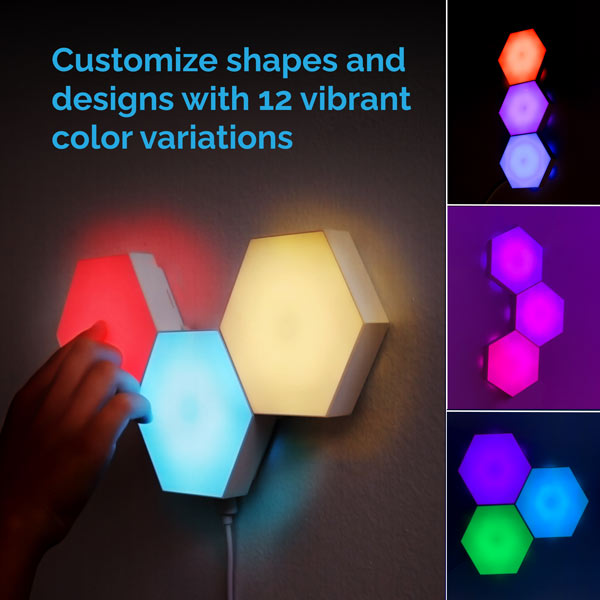
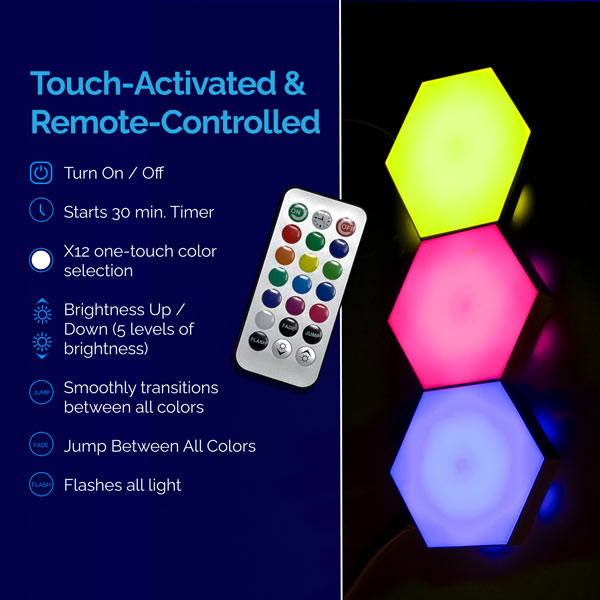
Touch-responsive or modular lighting:
- satisfies sensory needs
- supports focus
- increases emotional connection to space
This is where dopamine decor becomes personal.
How Emberela Fits into Dopamine Decor (Authority Positioning)
Emberela designs lighting for people who feel deeply, think visually, and need their environment to respond.
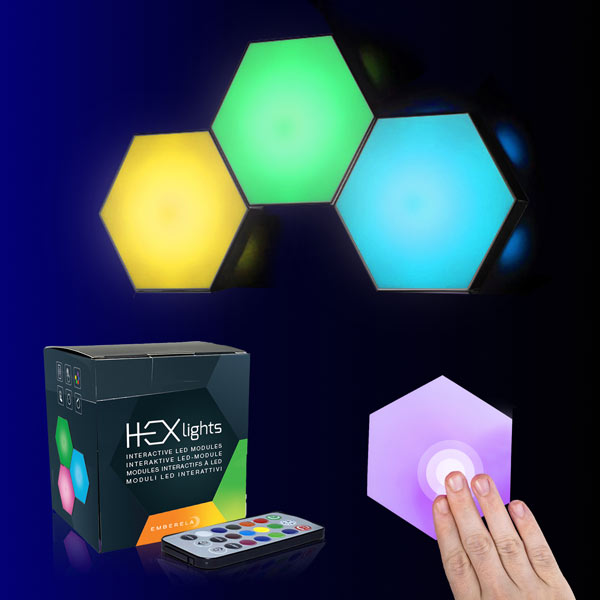
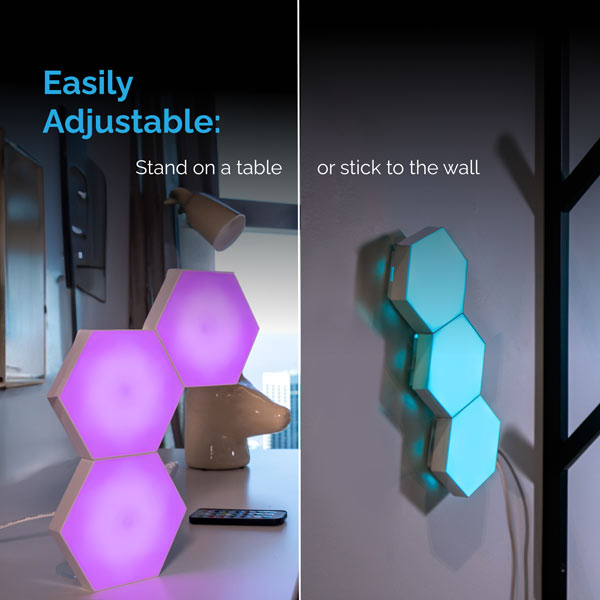
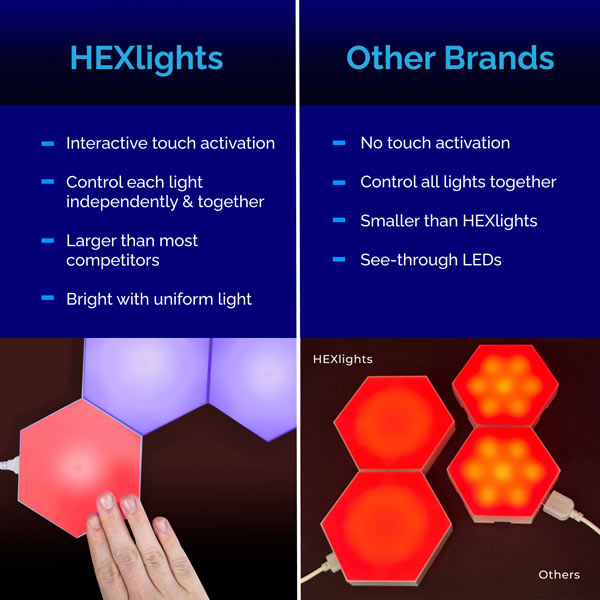
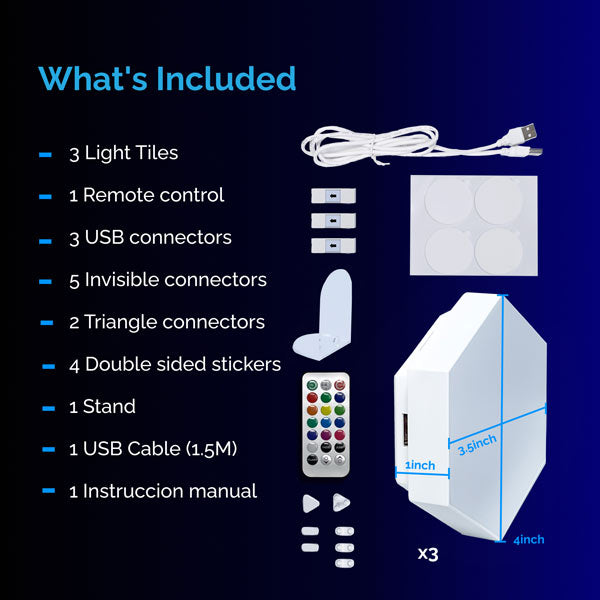
HEXlights Touch 3-Pack and ORBLUX aren’t just aesthetic objects; they’re tools for sensory regulation.
They support:
- focus without harshness
- calm without dullness
- stimulation without chaos
Lighting that touches back changes how a space feels and how you feel inside it.
Is Dopamine Decor Just a Trend?
No. It reflects a larger shift toward:
- mental wellness at home
- neurodivergent-inclusive design
- environments that support emotional health
Lighting is becoming a wellness tool; not a background detail.
When to Seek Personalized Lighting Advice
Everyone’s nervous system responds differently.
Personalized guidance helps if you:
- feel overstimulated easily
- struggle with focus at home
- want mood-specific lighting setups
- are designing a neurodivergent-friendly space
That’s why Emberela offers direct consultation; to help you design lighting that fits your brain, not a generic setup.
Contact Us to get tailored lighting recommendations.
FAQ
What is dopamine decor?
A design approach that uses color, lighting, and sensory engagement to support positive mood and motivation.
Does lighting affect dopamine?
Yes. Light intensity, color, and variability influence neurotransmitters related to mood and focus.
Is dopamine decor good for ADHD?
It can be. Sensory lighting helps with focus, regulation, and restlessness when designed intentionally.
What light color is best for mood?
Warm tones for calm, neutral tones for focus, and soft colors for emotional balance.
Can lighting reduce anxiety?
Yes. Controlled, warm, and predictable lighting can support nervous system regulation.