
A Practical Guide to Better Sleep, Focus, and Comfort
The best reading light for bed is soft, adjustable, and positioned to avoid glare. A warm LED reading light with focused brightness reduces eye strain, supports relaxation, and helps maintain a healthy sleep environment.
Introduction
Reading in bed should feel calming; not straining.
But the wrong lighting can lead to:
- tired eyes
- headaches
- disrupted sleep
That’s why choosing the right reading light isn’t just about brightness; it’s about how light interacts with your brain, your eyes, and your nighttime routine.
In this guide, you’ll learn:
- how to choose the best reading light for bed
- what makes LED reading lights different
- how lighting affects sleep and focus
- and how to create a bedroom setup that supports both relaxation and clarity
What Is the Best Reading Light for Bed?
The best reading light for bed is:
- warm-toned
- adjustable in brightness
- directional (focused on your book, not your eyes)
It should provide enough light to read comfortably without lighting up the entire room.
Why Lighting Matters More Than You Think
Reading light affects:
- eye strain
- focus duration
- sleep quality
Harsh or poorly placed light forces your eyes to work harder. Over time, this reduces reading comfort and can even shorten your reading sessions.
Good lighting supports effortless focus.
Are LED Reading Lights Better for Bedrooms?
Yes; when used correctly.
A high-quality LED reading light:
- uses less energy
- provides consistent brightness
- can be adjusted in warmth and intensity
However, overly cool or bright LEDs can interfere with relaxation. The key is warm, controlled LED light.
Types of Bedside Reading Lamps
Choosing the right format depends on your space and habits.
1. Bedside Table Lamps
- stable and easy to use
- ideal for general reading
- best when paired with warm bulbs
2. Wall-Mounted Reading Lights
- save space
- provide focused direction
- great for shared bedrooms
3. Clip-On or Adjustable Lights
- flexible positioning
- useful for late-night reading without disturbing others
Each type works; as long as the light remains soft and controlled.
What Brightness Is Best for Reading in Bed?
Moderate brightness is ideal.
Too dim:
- strains the eyes
Too bright:
- overstimulates the brain
The goal is balanced illumination; enough clarity without harsh contrast.
The Role of Color Temperature in Reading Lights
Color temperature determines how your body responds to light.
- warm light (2700K–3000K): supports relaxation
- cool light (4000K+): increases alertness
For bedtime reading, warmer tones are better because they:
- reduce stimulation
- support melatonin production
- help your brain prepare for sleep

Can Reading Lights Affect Sleep?
Yes. Light exposure at night influences circadian rhythm.
Bright or blue-heavy light:
- delays sleep signals
- increases alertness
Soft, warm light:
- supports a smoother transition to sleep
- reduces mental overstimulation
Lighting isn’t just functional; it’s biological.
How to Position Your Reading Light Correctly
Placement matters as much as the light itself.
Best practices:
- position light slightly behind or beside you
- avoid direct glare into your eyes
- keep light focused on the page
This reduces contrast strain and improves comfort.
Creating a Sensory-Friendly Reading Environment
Reading is not just visual; it’s sensory.
A well-designed space:
- feels calm
- supports focus
- minimizes distraction
This is where lighting goes beyond utility and becomes part of your evening ritual.
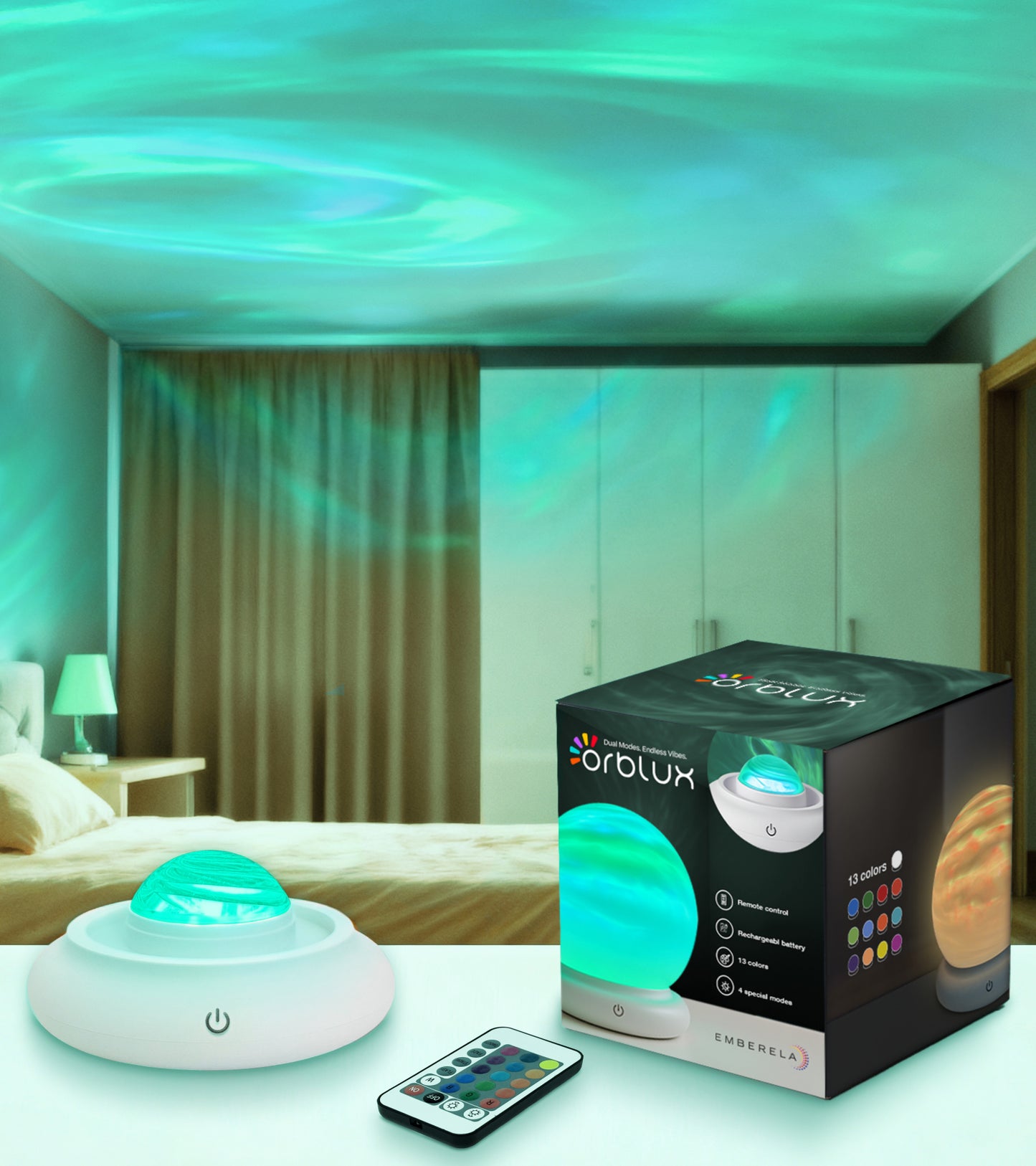
Using Emberela products, you can create a layered environment where:
- reading light is focused
- ambient light is soft
- the overall mood stays balanced
Beyond Reading; Lighting for Relaxation and Wind-Down
A reading light shouldn’t “switch off” your environment; it should blend into it.
Soft surrounding light helps:
- reduce contrast
- ease the transition from reading to rest
- create a more immersive experience
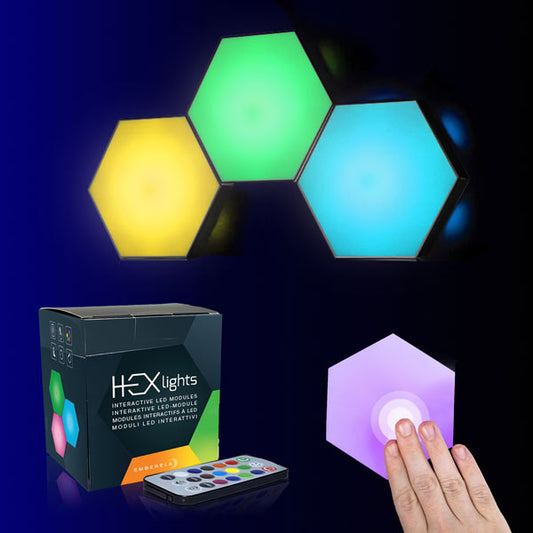
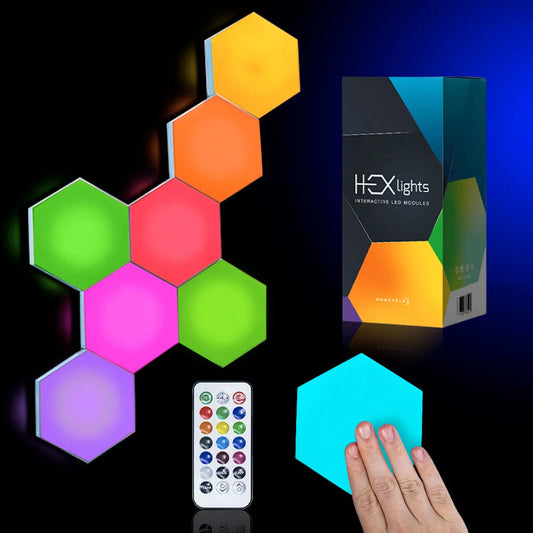
For example, subtle background lighting setups using HEXlights Touch Pix Boys or HEXlights Touch Pix Girls can complement your reading light without overwhelming it.
What Makes a Reading Light Comfortable for Long Sessions?
Comfort comes from:
- stable brightness
- warm color temperature
- minimal glare
- proper positioning
If you forget about the light while reading; that’s the right setup.
Common Mistakes to Avoid
Many reading setups fail because of small issues:
- using overhead lighting only
- choosing bulbs that are too cool
- placing light directly in the line of sight
- ignoring ambient lighting
These mistakes increase fatigue; even if the light seems “bright enough.”
When to Upgrade Your Bedroom Lighting Setup
You may need a better setup if:
- your eyes feel tired quickly
- reading feels less enjoyable
- your sleep feels disrupted
- your room lighting feels too harsh or too flat
Small lighting changes often have a big impact.
How Emberela Approaches Reading Light Design
At Emberela, lighting is designed as part of a sensory system.
Instead of focusing only on brightness, the approach considers:
- emotional comfort
- visual balance
- long-term usability
Reading light becomes:
- a focus tool
- a relaxation aid
- part of your nightly rhythm
Because the best lighting doesn’t just help you see; it helps you slow down.
When to Get Personalized Lighting Advice
Every bedroom is different.
A consultation helps if:
- your lighting feels too harsh or inconsistent
- you want better sleep without changing your routine
- your space needs both function and atmosphere
Contact Us to get personalized recommendations for your ideal reading setup.